


SOFIA SHOPPING TOURS
From Sofia to Plovdiv: A Journey Through Two Faces of Bulgaria
A route full of history, nature, flavor and personal traces, stretching from the bustling boulevards of the capital Sofia to the time-defying stone streets of Plovdiv.
With a valid Schengen visa in hand, the idea of visiting a nearby and budget-friendly country had been on my mind for a while. Since I had missed the chance to book a flight in time, traveling to Sofia by bus became the most suitable option. Regular daily departures between Turkey and Bulgaria also made the journey easier. I bought my round-trip ticket for 40 euros from Alpar Turizm and set off on a short but meaningful journey on my own.
Bulgaria has always felt familiar and warm to me. Perhaps this is because my family migrated from Sofia during the 1893 War. For years I had been curious about the traces of my family roots and the shared details between Turkish and Bulgarian culture. On this journey, I wanted to do more than see new cities; I wanted to observe the streets, the people, the architecture and the cultural ties carried from the past to the present.
Sofia: The City Where Past and Present Meet on the Same Street
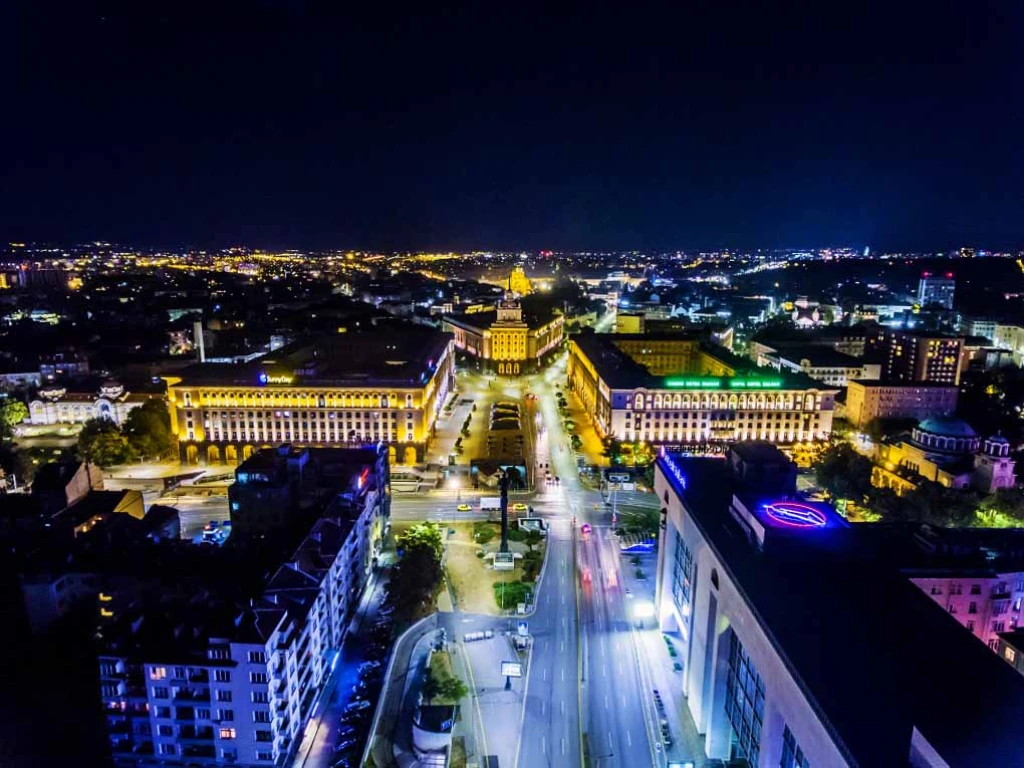
Known by different names throughout history, Sofia is today a lively capital that carries the layers of its past alongside modern urban life. As soon as you enter the city, wide boulevards, tram systems and architecture from the Soviet period catch your eye. A few steps later, Roman ruins, Ottoman traces, Orthodox churches and contemporary buildings become part of the same view.
A good way to begin exploring Sofia is with the Alexander Nevsky Cathedral, the city's symbol with its golden domes. The nearby Church of St. Sophia sheds light on the city's history, while the Russian Church, with its elegant architecture, forms one of the most impressive stops on the route. As you move toward the center, you encounter the Serdica Ancient Site, which continues to exist beneath the modern city. The fact that Roman remains are intertwined with metro stations and squares shows how naturally Sofia holds different eras together.
One of the important structures that completes the city's multicultural character is the Banya Bashi Mosque. While wandering the streets of Sofia, it is possible to come across traces from the Ottoman period, shared kitchen habits and words that have traveled between the two languages over the centuries. These familiar details make the city feel less like a foreign capital and more like a bond rebuilt with the past.
City Life at the Foot of Vitosha
As the day goes on, the route naturally leads to Vitosha Boulevard. Surrounded by shops, cafés and restaurants, this pedestrian street is ideal for observing Sofia's daily rhythm. After a coffee break, you can try beloved Bulgarian flavors such as kavarma, banitsa, Shopska salad and lyutenitsa; the evening can then be completed with local wine or rakia.
One of the details that make Sofia special is how quickly you can reach nature from the busy city center. Vitosha Mountain, with its forest paths, hiking trails, viewpoints and mountain restaurants, offers a refreshing break from the capital's pace. It is possible to spend the morning in nature and return to the city center in the afternoon.
After sunset, Sofia takes on a different character. The restaurants, cocktail bars, live music venues and clubs around Vitosha Boulevard come alive. The city, which stands out as much for its nightlife as for its historic buildings and nature, offers an energetic atmosphere that appeals to many different interests.
Plovdiv: Where Time Slows Down on Stone Streets
Arriving in Plovdiv after Sofia's big-city rhythm feels like slowing down time. In a city considered one of the oldest continuously inhabited places in Europe, with a history spanning thousands of years, one of the best things to do is to close the map for a while and let the streets guide you.
The stone paths stretching through the Old Town, historic houses with bay windows, small courtyards, art galleries and quiet streets gradually reveal Plovdiv's character. Among the city's high points, Nebet Tepe is an ideal stop for watching Plovdiv, especially at sunset.
One of the city's most impressive structures, the Philippopolis Ancient Theatre, is a majestic heritage from the Roman period that has survived to the present day. That this stage, which once welcomed audiences about two thousand years ago, still hosts concerts and cultural events today shows how past and present coexist in Plovdiv.
Kapana: The Creative and Bohemian Heart of Plovdiv
To discover the contemporary face of Plovdiv, you should visit the Kapana Creative District. Once a place where craftsmen worked, this labyrinth-like neighborhood has now become the creative center of the city, with colorful facades, graffiti, design shops, art studios, cafés and small restaurants.
Kapana is a pleasant place to explore during the day, but the neighborhood truly transforms in the evening. Local wines, Bulgarian cuisine, live music and cozy bars come together on the same streets. Plovdiv's nightlife is smaller in scale and more bohemian than Sofia's, so it quickly gives visitors the feeling of being part of the city.
Two Cities, One Route
Sofia and Plovdiv are not alternatives to each other but complements. Those who seek monumental buildings, intense city life, shopping, concerts and easy access to nature may want to spend more time in Sofia. If ancient ruins, art, wine, historic houses and quiet streets interest you, Plovdiv can become the most unforgettable part of the route.
In a three-day program, you could explore Sofia's historic center and evening life on the first day, set aside part of the second day for Vitosha Mountain, and then travel to Plovdiv to visit the Old Town, the Ancient Theatre, Nebet Tepe and Kapana. For a more relaxed pace, spreading this route over four days lets you experience both cities without rushing.
After the Journey
This journey was more than just seeing new places for me. While searching for traces of my family history and shared culture on the streets of Sofia, I felt as if I were walking through time in Plovdiv. One city tells the story of today with its wide avenues, lively nights and mountain views, while the other keeps thousands of years of stories within its stone streets.
To truly know Bulgaria, you need to experience the rhythm of Sofia, the breath of Vitosha and the soul of Plovdiv in the same journey.